Comic creator Leeanne Krecic is a dynamo. From her work on the wildly popular, award-winning comic series Let’s Play–both in print through Rocketship Entertainment and with new installments on Tapas–to working on her Everdate board game that recently funded on Kickstarter and more, she’s a prolific creator to put it mildly.
And she still had time to contribute to the Lights Out graphic novel anthology–based on the legendary radio play program of the same name–that funded on BackerKit through Rocketship Entertainment and Black Eye Entertainment. During the campaign, I spoke with her about her involvement in the anthology, her story “Charlatan” in the book, and the creative muscles her tale let her explore.
FreakSugar: How did you become involved in the Lights Out anthology?
Leeanne Krecic: I had actually pitched the concept to one of the members of the Lights Out team months before they had come up with the campaign. They approached me and said that they thought my concept for a supernatural horror was an excellent fit for the project and asked if I’d like to feature a pilot episode for the story in the campaign.
FS: What can you tell us about your story “Charlatan” in the Lights Out graphic novel?
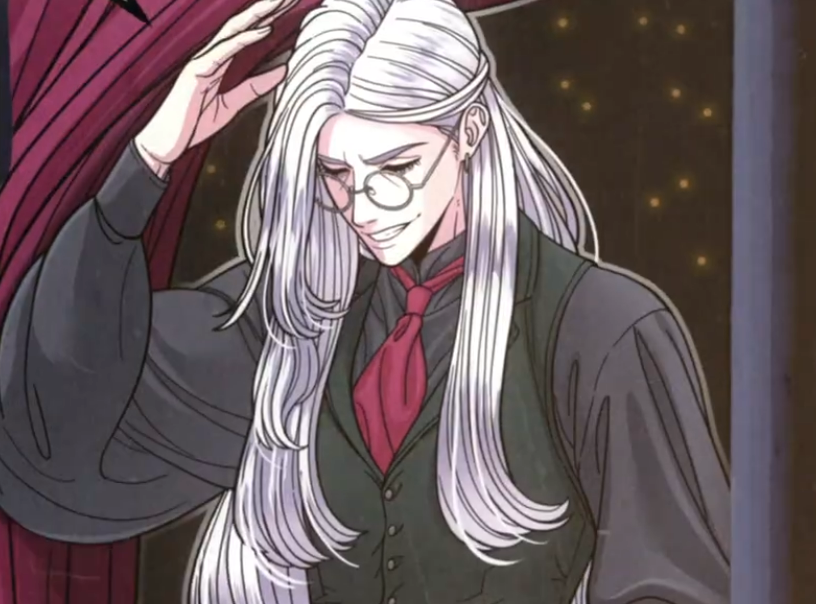
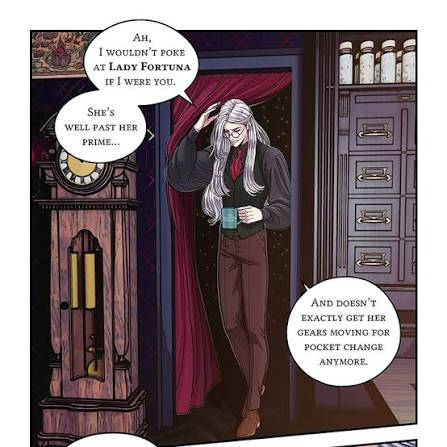
LK: Sure, “Charlatan” is the story of Quinn Forsythe, a psychic shop owner with a sharp tongue and a talent for making skeptics roll their eyes. But behind the flashy crystal balls and phony fortunes, Quinn’s life is anything but ordinary. In this chapter, we’ll see what it really means for Quinn to walk the line between what’s real and what people want to believe. It has mystery, supernatural, thrills, and horror. It’s a complete change from what I usually write, which is romance, but it’s been an absolute pleasure to stretch my creative wings.
FS: What is your familiarity with Lights Out prior to your involvement with this project? What drew you to working on the graphic novel?
LK: Funnily enough, I learned about Lights Out after I got into “Tales from the Cryptkeeper” when I was a preteen. I used to read the graphic novel in the public library, and after growing in interest in the genre, the librarian told me about Lights Out, the radio show. She had access to a few records for the series and let me listen to them in the basement of the library. As I grew a bit older, I watched The Twilight Zone and Are You Afraid of the Dark? So, Lights Out was definitely there at the beginning of a budding interest in the genre.
FS: What creative avenues does a project like this allow you to explore?
LK: A project like “Charlatan” opens up many creative possibilities. It’s a chance to explore the tension between perception and reality, like how people judge what’s fake or real and how much truth they can handle. I’m also able to dive into morally complex characters like Quinn, who operate in those gray areas, making choices that aren’t always good or bad but necessary. Plus, the supernatural elements give me room to play with my favorites: folklore, symbolism, and the ways the unseen world might intersect with the mundane — with a sprinkle of dark academia.