

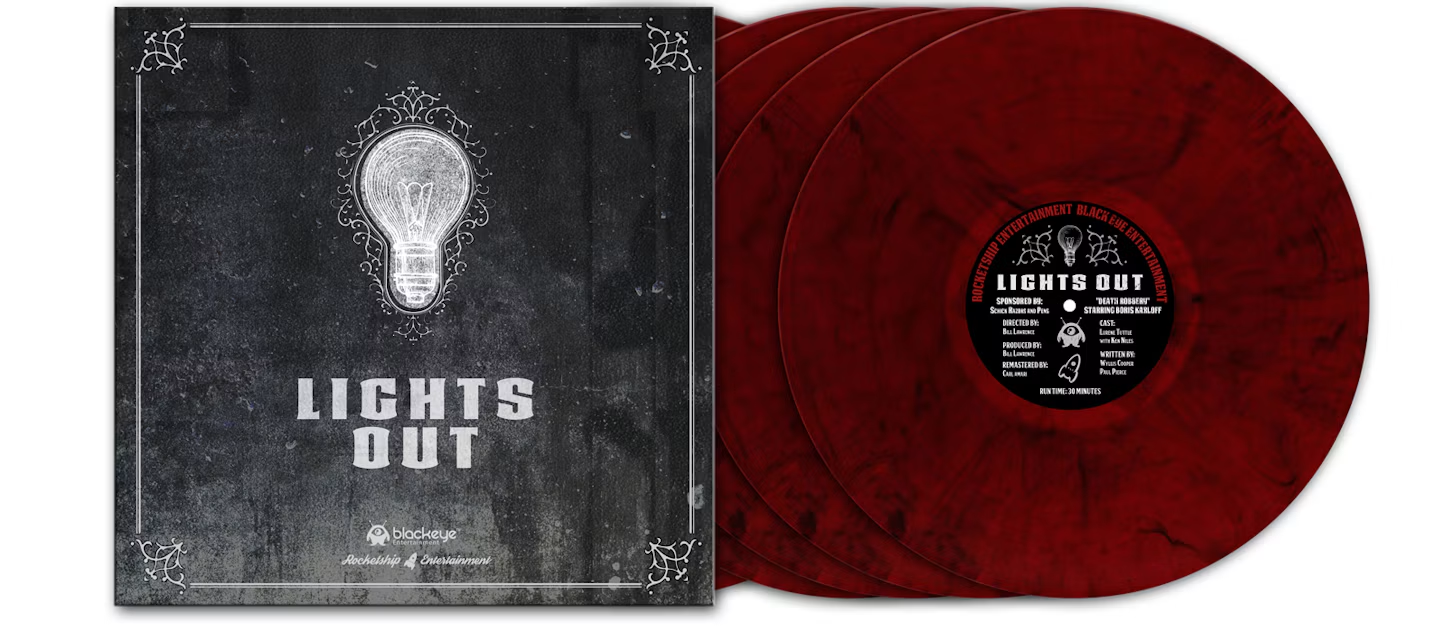
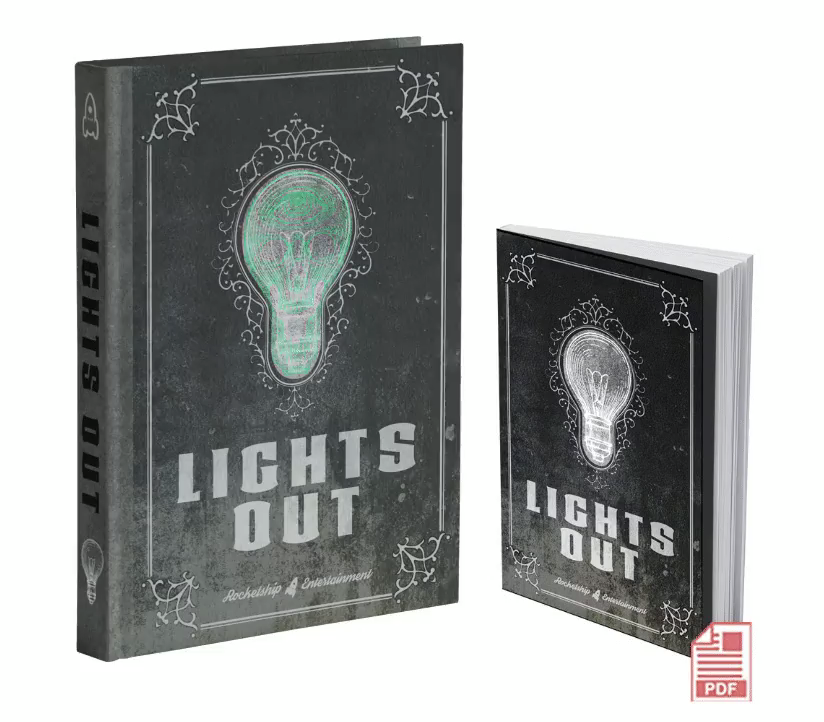
In 2024, Black Eye Entertainment and Rocketship Entertainment teamed up to bring to life the Lights Out graphic novel anthology–based on the legendary radio play program of the same name–to life via BackerKit. The Lights Out program focused on horror tales brimming with monsters and the macabre, with such a success that its local reach expanded to nationwide coverage. To that end, the campaign also offered backers the opportunity to purchase remastered recordings of some of the original episodes of the series.
The Lights Out anthology graphic novel keeps that same spirit alive, packed with supernatural and spooky stories from a cornucopia of comic creators, such as Let’s Play’s Leeanne Krecic, The Red Hook’s Dean Haspiel, and so many more.I had the opportunity to speak with Carl Amari, founder of Black Eye Entertainment, about his love for the Lights Out radio series, working with Rocketship Entertainment, and what he hopes people take away from this multimedia experience.

FreakSugar: What has been the most gratifying thing for you about working on this Lights Out project?
Carl Amari: Lights Out remains a cornerstone of American horror and audio fiction, pioneering visceral storytelling techniques long before visual media dominated the genre. Helping to bring this project to fruition is very gratifying to me. The series history will help you to better understand why I feel this way:
Created by Willis Cooper, Lights Out debuted in January 1934 on Chicago’s 50,000-watt NBC affiliate, WENR. Originally a 15-minute midnight broadcast, the program’s immediate popularity prompted its expansion into a weekly half-hour slot. Building on this regional momentum, NBC syndicated the show nationally on April 17, 1935. Written and directed by Cooper, the national broadcasts catalyzed hundreds of fan clubs nationwide. At the peak of this initial run, Cooper departed for Hollywood to pursue screenwriting, prompting NBC to enlist another Chicago playwright, Arch Oboler.
Oboler transformed the series into an emblem of psychological and visceral horror. His inaugural episode, “Burial Service”—an agonizing depiction of a paralyzed woman buried alive—generated a firestorm. NBC received over 50,000 letters of protest, leading the network to mandate that the program air strictly after 11:00 PM. Under Oboler’s direction, Lights Out established itself as radio’s most uncompromisingly terrifying series.
In 1942, the show migrated to CBS under the sponsorship of Ironized Yeast, securing a prime-time slot. Relocating production to the West Coast, Oboler served as host, writer, director, and producer, accompanied by announcer Frank Martin. The production relied on minimal sound design, famously using only a stark, solitary gong sound to mark scene transitions. Oboler drew upon top-tier radio talent—including Mercedes McCambridge, Lou Merrill, Hans Conried, and Cathy Lewis—while occasionally featuring Hollywood icons such as Peter Lorre, Boris Karloff, and Bette Davis.
Despite high ratings, Oboler concluded his tenure in 1943. Cooper returned briefly to revive the series in 1945 before creating another landmark horror anthology, Quiet, Please, in 1947. Lights Out subsequently adapted to the visual era, running sporadically on television from 1946 to 1952, sponsored for a period by Admiral and hosted by Frank Gallop.

FS: Rocketship Entertainment has earned a name in producing high-end preorder campaigns through Kickstarter and BacketKit for close to a decade. What can you tell us about working with Rocketship for this project and how that partnership came about?
CA: I hold immense respect for Rocketship Entertainment, having collaborated with one of its co-founders for several decades. Given their track record and leadership, I was confident from the outset that this project would be executed at the highest possible standard.
FS: What is it about working on radio projects like Lights Out that keep drawing you in time and again?
CA: As a broadcast historian, I am inherently drawn to any endeavor that ensures golden age radio continues to resonate with modern audiences. Bringing these seminal broadcasts to vinyl for the first time struck a profound chord with me—it bridges historical audio preservation with a tactile, timeless medium.
FS: Besides being entertained, what do you hope readers and listeners take away from their own Lights Out experience?
CA: I hope those who experience this collection gain a profound appreciation for the sheer craftsmanship behind it—not only in the artistry of the comics, but in the relentless demands of mounting a weekly radio broadcast. Writing, directing, and producing these radio shows required an exacting precision, delivered live to a nationwide audience without the benefit of retakes or post-production editing. The virtuosity and poise demonstrated by these actors under such high-wire conditions remain nothing short of extraordinary.